

Gambling’s cultural roots Unveiling traditions and beliefs across the globe
The Historical Origins of Gambling
Gambling has been a part of human culture for millennia, with roots tracing back to ancient civilizations. Archaeological evidence suggests that games of chance and betting have existed as early as 3000 BC in regions like Mesopotamia. Dice made from bones and other primitive materials were found in ancient sites, indicating that our ancestors found joy in the uncertainty of outcomes. This early form of gambling reflects the human fascination with luck, chance, and the thrill of risk. In today’s world, players often seek options like casino not on gamstop to enhance their gaming experiences.
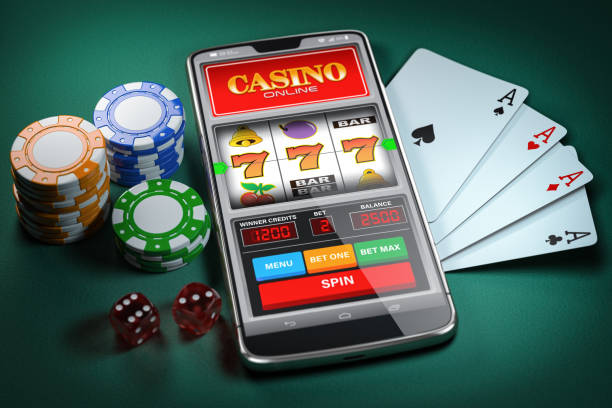
As societies evolved, so too did the forms of gambling. From the classic dice games of the Romans to the sophisticated betting systems of the Chinese, these practices became woven into the fabric of cultural identity. Each civilization adapted gambling to reflect their own beliefs, values, and social norms, leading to a rich tapestry of gaming traditions that still resonate today.
Gambling in Religious and Cultural Practices
Throughout history, gambling has often intersected with spirituality and religious practices. In many cultures, games of chance were not only seen as entertainment but also as a means to connect with the divine. For instance, in ancient Egypt, gambling was sometimes used to divine the future, and the casting of lots was an accepted practice for making decisions. These rituals underscored the belief that fate and fortune were influenced by higher powers.
In other cultures, such as among Native American tribes, gambling has played an integral role in social gatherings and ceremonies. Games like stickball were not just recreational but also served as a way to build community bonds. Such traditions show that gambling can reflect deeper beliefs about fate, luck, and the communal spirit, revealing its significance beyond mere entertainment.
Modern Gambling Traditions Around the World
Today, gambling takes many forms across various cultures, from the glitzy casinos of Las Vegas to the traditional betting houses in London. Each region has its unique customs and approaches to gambling. In Asia, for instance, the Lunar New Year is often celebrated with games of chance, highlighting how cultural festivities can intertwine with gambling practices. Similarly, in Europe, poker tournaments and betting on sports events are not just popular pastimes but also social events that bring communities together.
Moreover, the rise of online gambling has transformed how people engage with these activities, creating a global community that transcends geographical boundaries. This shift demonstrates how technology can enhance traditional practices while introducing new elements that resonate with contemporary lifestyles. Despite these changes, the core human attraction to risk and reward remains steadfast across cultures.
The Influence of Gambling on Culture and Society
The impact of gambling on culture and society is profound, influencing everything from economic conditions to social norms. Many cultures view gambling as a rite of passage or a way to celebrate significant life events, thereby embedding it deeply within cultural frameworks. In some societies, gambling has even been a catalyst for economic development, creating jobs and driving tourism.
However, this influence is not without its drawbacks. The potential for addiction and social consequences often leads to a complex relationship between communities and gambling. Many cultures grapple with the need to balance the benefits of gambling as a source of entertainment and economic growth against the risks of exploitation and addiction, fostering ongoing debates about regulation and responsible gaming practices.

Exploring More About Global Gambling Traditions
For those interested in delving deeper into the world of gambling traditions and their cultural significance, a wealth of resources is available online. These platforms provide comprehensive information about various gambling practices, highlighting unique customs and beliefs from around the globe. They serve as a guide for understanding how gambling has evolved and its implications on modern society.
By exploring these diverse perspectives, one can appreciate the intricate ways in which gambling reflects our human experience, connecting us to our past while shaping our present. Engaging with these traditions allows for a richer understanding of cultural heritage and the diverse expressions of chance and luck in our lives.